New report titled "Humanitarian Visas in a Hostile Environment" offers first-hand insights into the experiences of individuals arriving in the UK through the Hong Kong BN(O) and Ukraine visa schemes and shows that ‘significant concerns persist’ around the restrictions faced by visa beneficiaries. Researchers from the University of Birmingham and Lancaster University, draw on qualitative... Continue Reading →
What migrants think about the monarchy and Eurovision: new MIGZEN podcast out soon
Researchers from the University of Birmingham and Lancaster University discuss the often-unheard views of migrants in the UK and British citizens living abroad on the coronation of King Charles III, Eurovision and much more. Such views are featured in a new season of the popular podcast Who do we think we are? Dedicated to ‘Global... Continue Reading →
“It is still an open wound”: new report reveals the lasting impact of Brexit on EU citizens in the UK
To mark the sixth anniversary of the 2016 EU referendum we are launching today EU citizens in the UK after Brexit, a new MIGZEN Research Brief based on the responses to the MIGZEN survey of 364 EU/EEA citzens who live or have recently lived in the UK. The survey reveals that Brexit has significantly and, for most, negatively affected how... Continue Reading →
Node network has a new online home
We are delighted to share the new website of the NODE network. The network is led by us at the University of Birmingham and the Institute for Asian Migrations at Waseda University and was initially funded by the UKRI Economic and Social Research Council and the Japan Foundation. Together with the information of the network... Continue Reading →
The Impact of COVID-19 on Foreign Residents in ‘No Immigration’ Japan
New NODE UK|Japan Working Paper (NODE no. 7) out today. Professor Chris Burgess of Tsuda University writes that, while few have remained untouched by the effects of COVID-19, migrants have been disproportionally affected by the pandemic in terms of mobility (movement restrictions), employment (loss of jobs), and health (high infection rates). He also points out... Continue Reading →
A story of resilience and adaptability: Community Sponsorship during the COVID-19 pandemic
Author: Marisol Reyes, IRiS Research Associate The COVID-19 pandemic has disrupted our daily lives in many ways, with global and local inequalities evident in terms of infection and mortality rates and socio-economic impacts. Refugees are recognised to be a vulnerable population with a recent study by the World Health Organisation finding significant impact of COVID-19... Continue Reading →
Mapping the field: Journal of Ethnic and Migration Studies
We are pleased to launch a new series of blog posts aimed at providing insights into the key themes, centres of production and geographical foci in migration studies today through an analysis of the coverage of some of the key academic journals in the field. The series is written and researched by the students on... Continue Reading →
Mapping the field: International Migration Review
In this blog series written by the students on the MA in Migration Studies at the University of Birmingham and edited by Nando Sigona, we examine the key themes and geographical foci in some of the key academic journals in migration studies. The second contribution in the series is by Emily Edge (MA in Migration Studies,... Continue Reading →
Digging up PhD memories from a cabinet
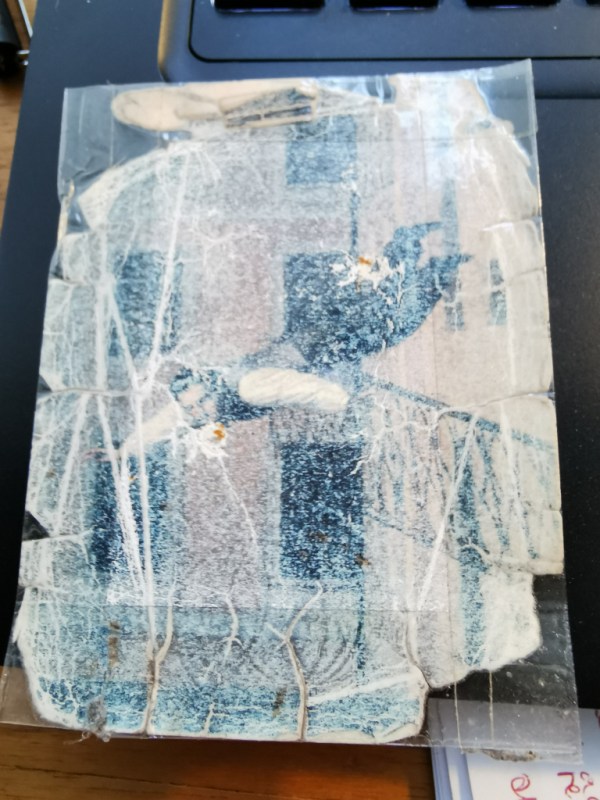
Fieldwork memories at the beginning of a new academic year.
Coronavirus crisis ‘increases suffering of most vulnerable refugees’, new IRIS report reveals
The Covid-19 pandemic is exacerbating the existing vulnerabilities of the world’s refugees and internally displaced people, according to a report by theInstitute for Research into Superdiversity at the University of Birmingham and Refugee Women Connect. Research has revealed that many undocumented migrants were anxious about seeking medical help – fearful of being reported to immigration... Continue Reading →