
SEREDA Researcher, Sandra Pertek, shares her learning about the nature of Sexual and Gender-Based Violence (SGBV) experienced by her respondents in Tunisia.
SGBV across migrant and refugee journeys: Early lessons learnt from Tunisia

SEREDA Researcher, Sandra Pertek, shares her learning about the nature of Sexual and Gender-Based Violence (SGBV) experienced by her respondents in Tunisia.
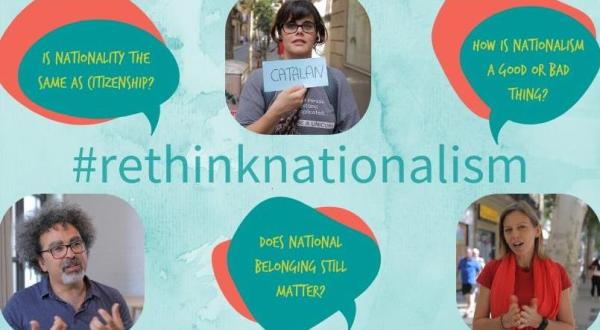
#rethinkingnationalism is a twelve bite-sized (1-9 min) video series that offers academic insight and public perspectives on nationalism, belonging, and diversity in Europe today. The series produced by Migration Matters is part of Erasmus+ Virtual Exchange, a ground-breaking project that enables youth in Europe and the Southern Mediterranean to engage in meaningful intercultural experiences online.... Continue Reading →

The programme for IRiS seminar series for the first term of the new academic year is now available. We start on 22nd October at 2pm with Professor Gracia Liu-Farrer of Waseda University, Japan. She will present a paper based on her forthcoming book on Immigrant Japan: Mobility and Belonging in an Ethno-nationalist Society. It is hard... Continue Reading →
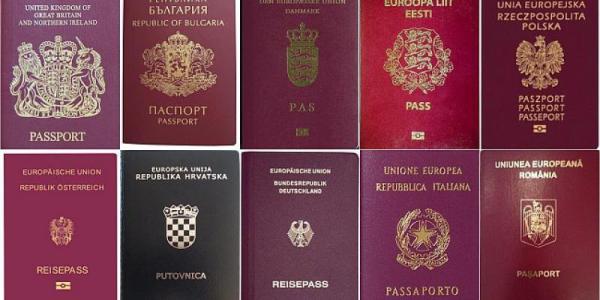
by Nando Sigona, Deputy IRiS Director, University of Birmingham Theresa May, the UK prime minister, and Amber Rudd, home secretary, have both apologised for the distress caused by the treatment of the so-called “Windrush generation”, in the face of mounting pressure from MPs and the wider public. Having been accused by the Home Office of residing in the UK without... Continue Reading →
Comment piece by Nando Sigona in openDemocracy. The UK Government’s strategy is not for an integrated society, focusing on what government and society could and should do, but for integrated 'communities', code word for everyone else. Source: Another dangerous ‘National Us’: you can’t have a more integrated society in a hostile environment | openDemocracy
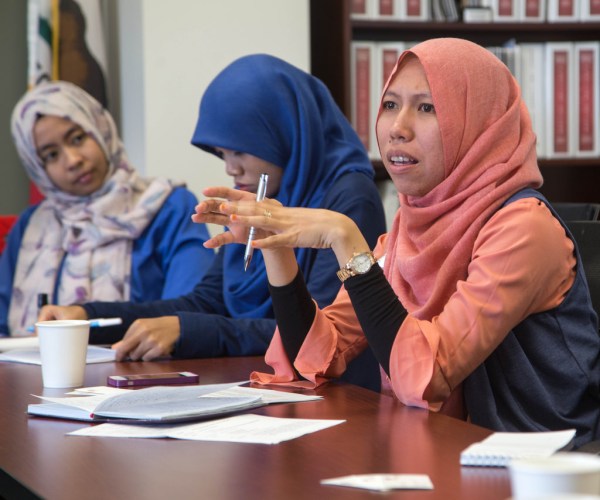
by Professor Jenny Phillimore, Director of Institute for Research into Superdiversity (IRiS) Boosting English language is one of the policy proposals outlined in DHCLG’s Integrated Communities Strategy Green Paper. There is no doubt that being able to speak, read and write fluently the language of the country in which you reside is important for integration. ... Continue Reading →

The Integration green paper places much emphasis on integrating young people in its proposals especially in relation to education. Dr Rachel Humphris and Dr Nando Sigona consider the factors that may determine success and failure of integration policy for this diverse cohort. What does integration mean for a young migrant in Britain today? To what... Continue Reading →

Labour market disadvantage is one of the factors highlighted in the green paper as affecting integration, given the emphasis on equalising economic opportunities as a priority. IRiS academic, Dr Laurence Lessard-Phillips, explores this issue in more detail. Fulfilling individuals’ potential within the labour market has been a long-time focus of recent governments. The Strategy Green... Continue Reading →

In this interview, Dr Nando Sigona offers some insights into how the 2015 refugee crisis has turned into a “solidarity crisis” and into a “crisis of the European Union (EU) as a project”. http://www.atlasoftransitions.eu/focus/interview-with-nando-sigona/

Art, borders and migration - interesting conversation on an age-old crisis


 Conversations with Iris: Podcast on migration, diversity and displacement
 The Age of Superdiversity